
What to Do in an Eye Emergency: When to Seek Immediate Care

What to Do in an Eye Emergency: When to Seek Immediate Care

What to Do in an Eye Emergency: When to Seek Immediate Care

What to Do in an Eye Emergency: When to Seek Immediate Care

What to Do in an Eye Emergency: When to Seek Immediate Care

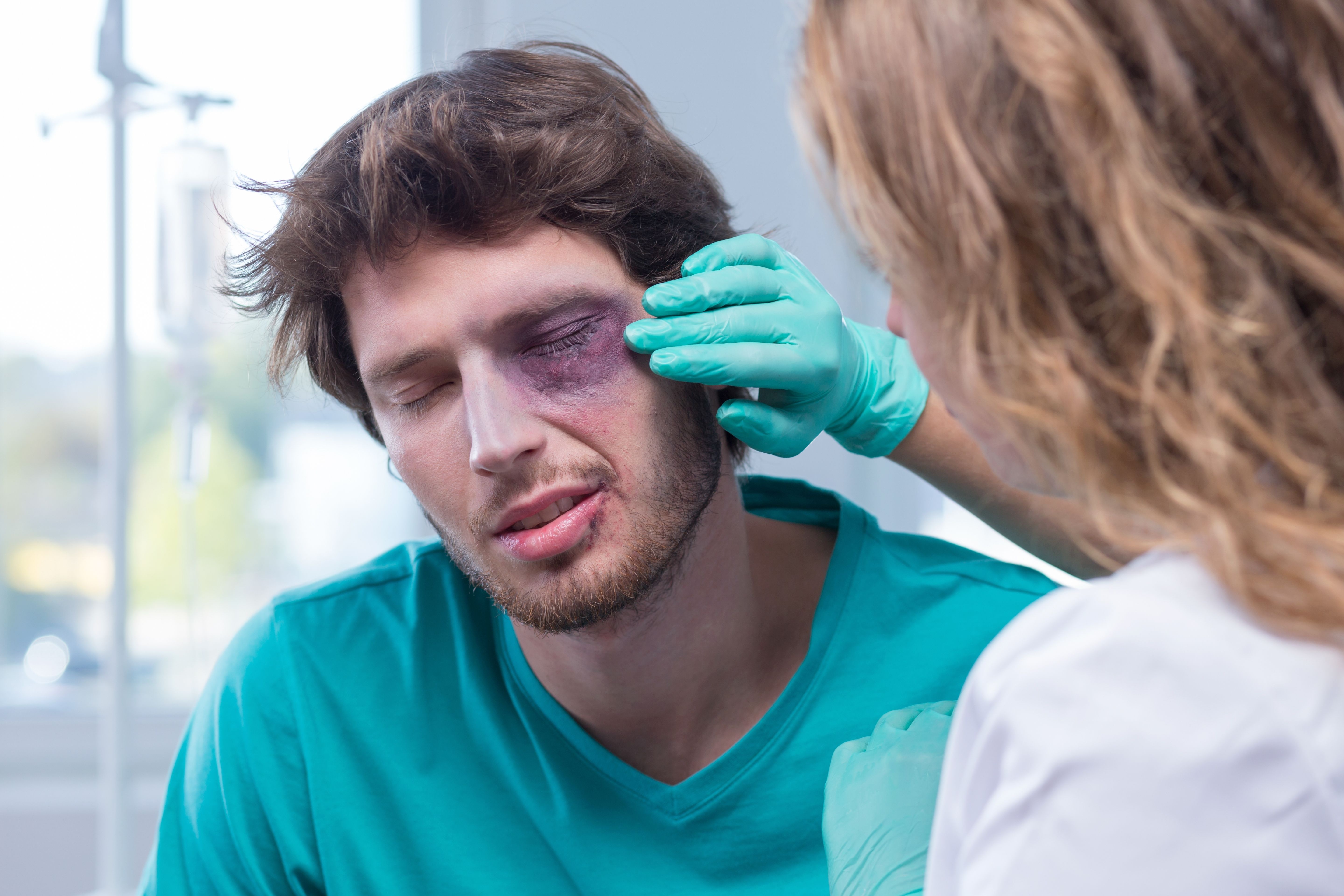
Eye emergencies can happen suddenly and without warning. Whether it’s a sharp pain, a change in vision, or an unexpected injury, knowing how to respond can make a critical difference in protecting your eyesight. Understanding the warning signs and acting quickly can help preserve your vision and prevent long-term complications.
Sudden Vision Loss
If you experience partial or complete loss of vision in one or both eyes, treat it as a medical emergency. Sudden vision changes can be a warning sign of serious conditions such as retinal detachment, a vascular blockage, or other sight-threatening issues. These problems can progress quickly, and delaying care may increase the risk of permanent damage.
Flashes and Floaters
A sudden burst of floaters, flashes of light, or the sensation of a dark curtain moving across your field of vision may indicate a retinal tear or detachment. While occasional floaters can be harmless, a rapid increase - especially when paired with flashes - should never be ignored. Seek urgent eye care the same day. Early diagnosis and treatment can significantly reduce the risk of permanent vision loss.
Chemical Exposure
Exposure to household cleaners, workplace chemicals, or other irritants can cause severe eye damage within minutes. Immediate action is critical to minimize injury and protect your vision.
If chemical exposure occurs, begin flushing the eye right away with clean water or saline for at least 15 minutes. Remove contact lenses if possible, but do not delay rinsing to do so. Avoid rubbing the eye, as this can worsen the damage. After flushing, seek emergency eye care immediately.
Foreign Object in the Eye
Dust or small particles may sometimes be gently rinsed out, but sharp, metallic, or embedded objects require professional treatment. Attempting to remove something lodged in the eye can cause further injury.
Do not rub the eye or try to remove embedded objects yourself. Instead, lightly cover the eye with a clean shield or cup to protect it and seek immediate medical attention.
Eye Trauma or Blunt Injury
Sports injuries, falls, or car accidents can lead to internal bleeding, fractures, or retinal damage - even if the eye appears normal from the outside. Pain, swelling, bruising, or changes in vision after an impact should always be taken seriously.
Apply a cold compress gently without putting pressure on the eye. Avoid medications like aspirin that may increase bleeding risk unless directed by your doctor. Most importantly, have the eye evaluated as soon as possible.
Severe Infection
Intense redness, pain, swelling, discharge, or sensitivity to light may signal a serious eye infection such as keratitis or advanced conjunctivitis. Infections can worsen quickly and may threaten your vision if left untreated.
Contact our office right away for an evaluation. Prompt treatment can prevent complications and support a faster recovery.
When in Doubt, Get Your Eyes Checked Out
It can be tempting to wait and see if symptoms improve, but certain eye conditions progress rapidly. If you are unsure whether your symptoms require urgent attention, it is always better to err on the side of caution.
Prompt evaluation allows us to identify the cause, relieve discomfort, and protect your long-term vision. When it comes to your eyesight, quick action matters.
Trust Great Lakes Vision Care for Urgent Eye Care
Eye emergencies can be frightening, but knowing how to respond can protect your sight. Sudden pain, vision changes, injury, or chemical exposure should never be ignored. Acting quickly gives you the best chance for a full recovery.
If you experience an eye emergency or aren’t sure whether your symptoms require urgent attention, contact Great Lakes Vision Care for further guidance. Visit our office in Monroe, Michigan, or call (734) 242-8630 today.

All Eye
Care Services

Keep
In Touch
© 2025 Great Lakes Vision Care. All rights Reserved. Accessibility Statement - Privacy Policy - Sitemap
Powered by:

